Nepal Verified News
Thu Jan 15 2026
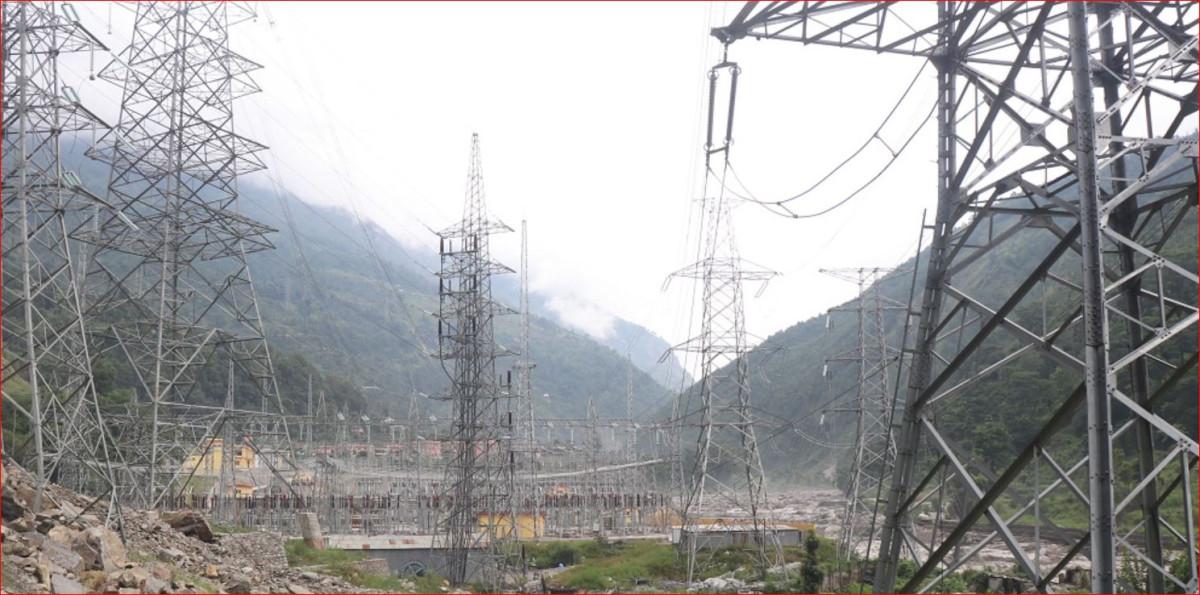
The Electricity Regulatory Commission (ERC) has issued the “Directive on Open Access in Electricity Transmission and Distribution System, 2082” aimed at enhancing competition, transparency, and efficiency in the electricity sector. The directive is implemented under the Electricity Regulatory Commission Act, 2074, and based on the policy framework of the ‘General Network Access Framework’ issued by the Government of Nepal, Ministry of Energy, Water Resources, and Irrigation.
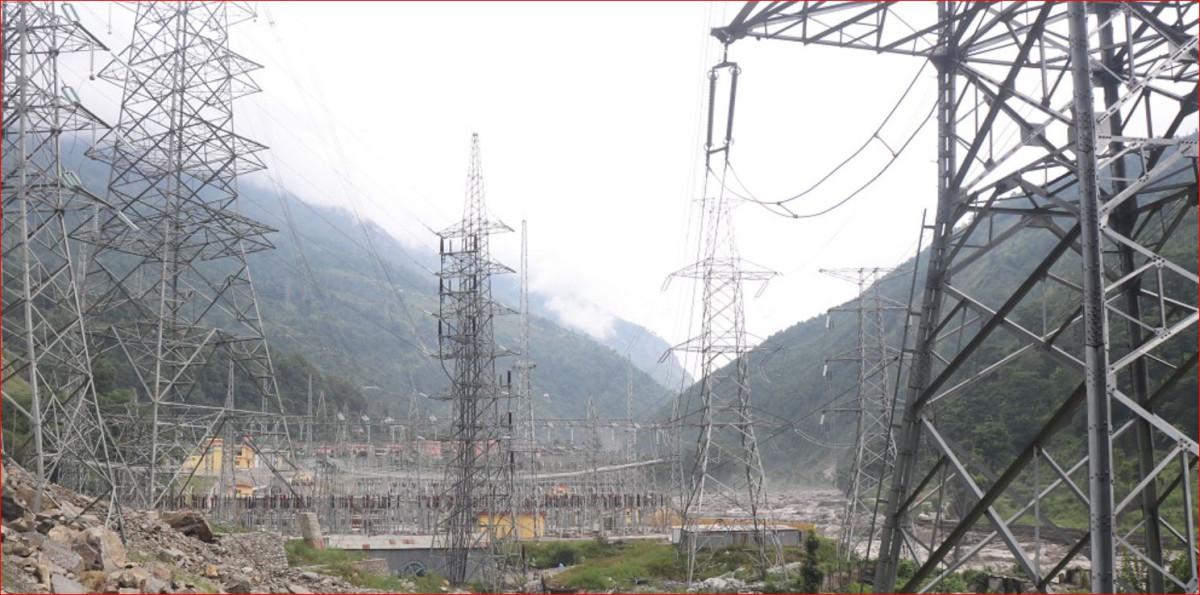
The directive seeks to implement non-discriminatory open access in the electricity system. Under the provision, electricity projects connected at 33 kV or higher with a capacity of 5 MW or more, captive projects with at least 1 MW capacity, and industrial or commercial consumers connected at 33 kV or higher with 5 MW or more capacity can access open access services. For cross-border electricity trade, a minimum capacity of 10 MW is required. Open access users are entitled to use the transmission or distribution system without discrimination under this directive.
The directive categorizes open access into three types: long-term (more than 5 years or as per electricity purchase agreements), medium-term (1–5 years), and short-term (up to 1 year, minimum 24 hours). Priority is given first to long-term, then medium-term, and lastly short-term access. The System Operations Department of Nepal Electricity Authority is responsible for collecting, evaluating, and approving open access applications.
Users of open access will pay nine types of charges depending on their nature, including transmission charges, wheeling charges, deviation settlement charges, cross subsidy charges, additional surcharge, standby charges, reactive energy charges, scheduling charges, and operation charges. However, not all charges apply to every user, and fees may be adjusted by the commission periodically. Long-term users may also be required to contribute to system upgrades and improvements.
To implement the directive, detailed procedures will be prepared, and a model agreement between transmission/distribution licensees and open access customers will be established. Complaints regarding open access can be submitted to the Open Access Grievance Resolution Committee, and if unresolved, escalated to the commission.
The commission considers open access a milestone in the electricity sector. It is expected to encourage private sector participation in transmission and distribution infrastructure, provide clarity on tariffs for private investment, allow producers to sell electricity directly to the market, and enable domestic and international electricity export through licensed transmission infrastructure. Open access is also anticipated to improve operational efficiency and maximize the use of transmission systems. In the future, it may enable end consumers to choose electricity suppliers.
The directive also addresses challenges in electricity production. By directly linking generation projects to potential markets, open access is expected to motivate competent promoters and investors to invest without waiting for purchase agreements with the Nepal Electricity Authority.
No comments yet