
Crude oil prices surged 12.2% in the international market amid escalating tensions between Iran and the United States. Experts warn that potential disruptions in the Strait of Hormuz could further shake global energy supplies and raise fuel costs worldwide.
Nepal Verified News
Sat Mar 07 2026
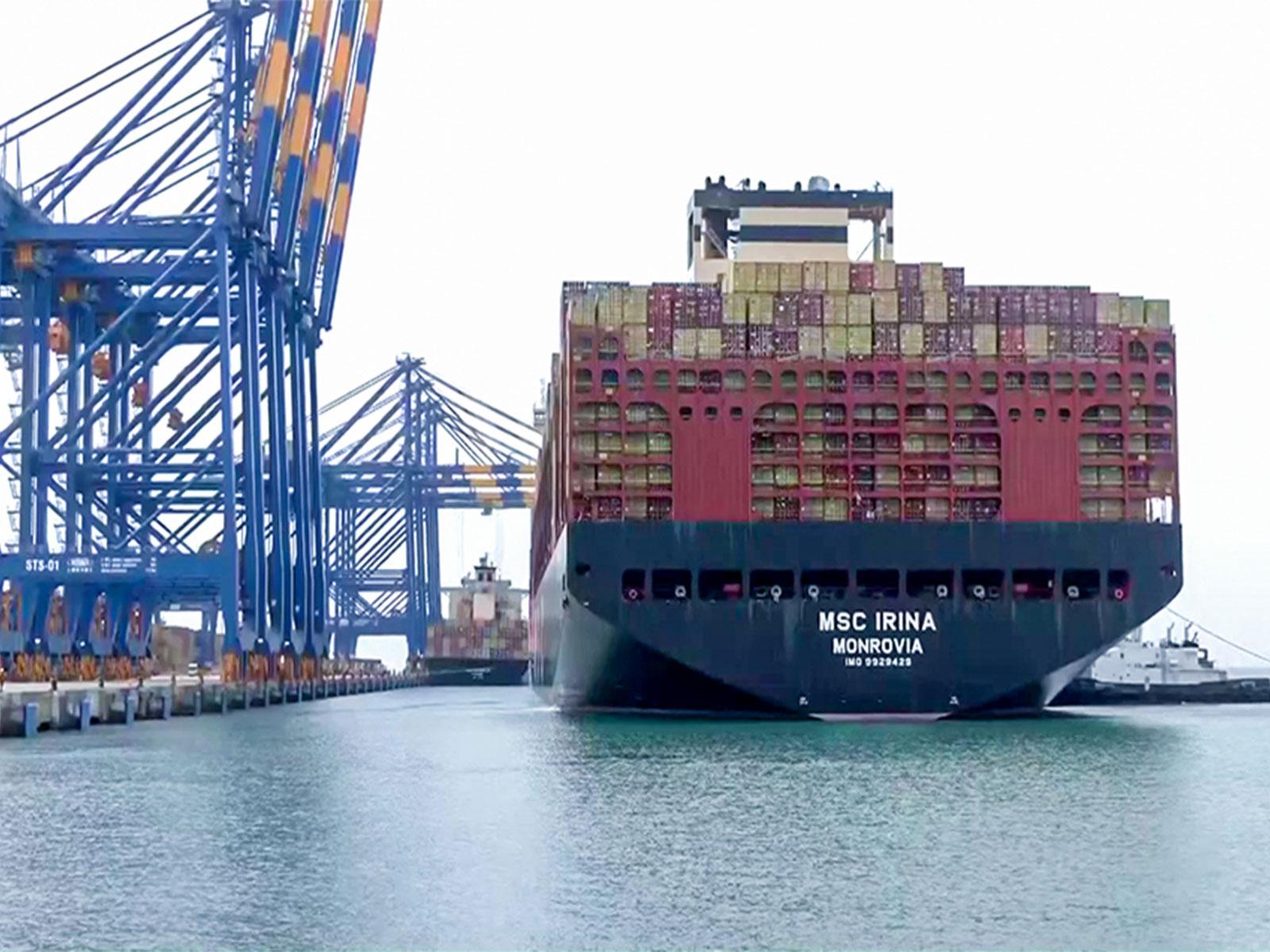
Rising tensions between Iran and the United States have sharply increased crude oil prices in the international market. The surge came after U.S. President Donald Trump demanded Iran’s “unconditional surrender,” raising fears of a prolonged conflict and triggering a strong reaction in the oil market.
As of this morning, the price of crude oil in the international market has risen by about 12.2 percent, reaching $90.90 per barrel. This is considered the largest weekly increase since April 2020.
According to experts, the escalating tensions in Iran and the wider West Asia region have increased concerns about disruptions to global oil supplies. Due to the risk of energy supply interruptions, analysts warn that prices may continue to fluctuate in the coming days.
The conflict between the United States and Iran is already significantly affecting the energy market. Analysts say the war has increased the risk of disruptions to oil supplies passing through the Strait of Hormuz.
They noted that nearly 20 percent of the world’s oil supply passes through this strategic waterway, meaning any instability there could have a major impact on the global energy market.
According to Jim Burkhard, head of crude oil research at S&P Global Commodity Insights, a war involving the United States and Israel could potentially cause one of the largest oil supply disruptions in history. He warned that if oil shipments through the Strait of Hormuz decline significantly or stop entirely, it could trigger a serious global market crisis.
Initially, Iran did not target energy infrastructure, but recent attacks on energy facilities in Saudi Arabia and Qatar have added further shocks to the oil and gas markets.
Data from S&P Global Commodities at Sea shows that on March 1, only five oil tankers passed through the Strait of Hormuz, compared to the normal average of about 60 tankers per day.
Experts warn that if the situation continues, it could not only disrupt the global energy market but also increase petroleum prices and economic pressure in oil-importing countries such as India and Nepal.
No comments yet