Economists say the upcoming House of Representatives election will inject nearly NPR 180 billion into Nepal’s economy, increasing consumption and market activity in the short term. However, election-related uncertainty, reduced capital spending, and the risk of post-election political instability could threaten long-term economic discipline and growth.
Nepal Verified News
Thu Jan 22 2026
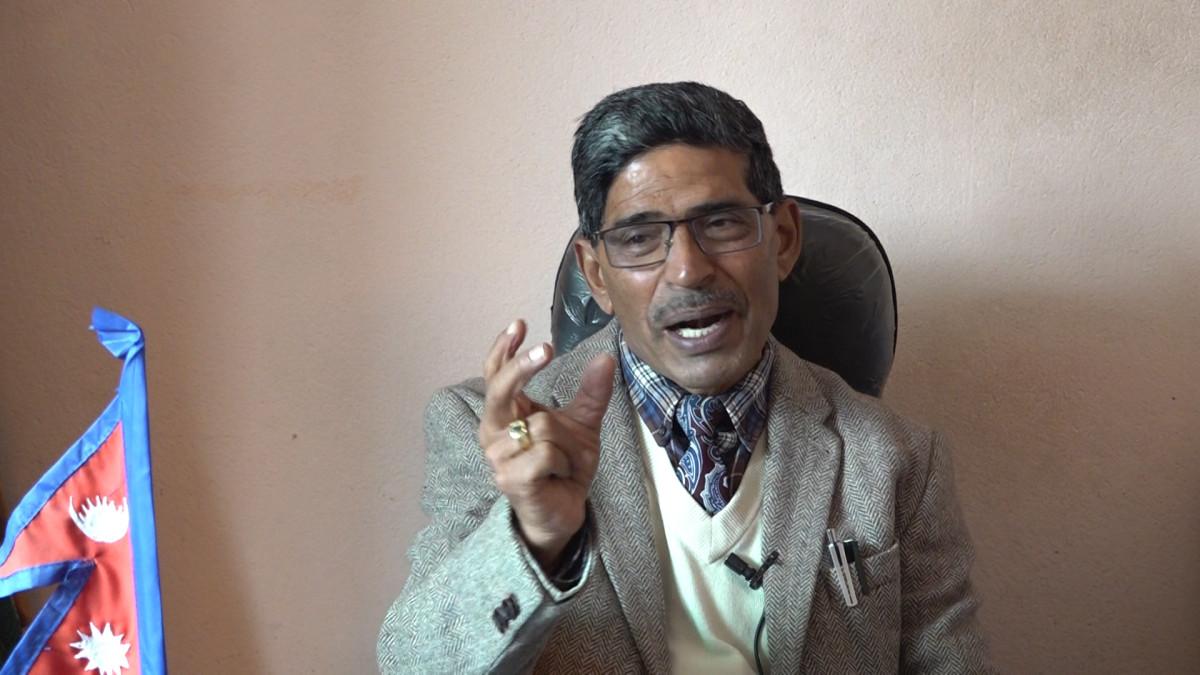
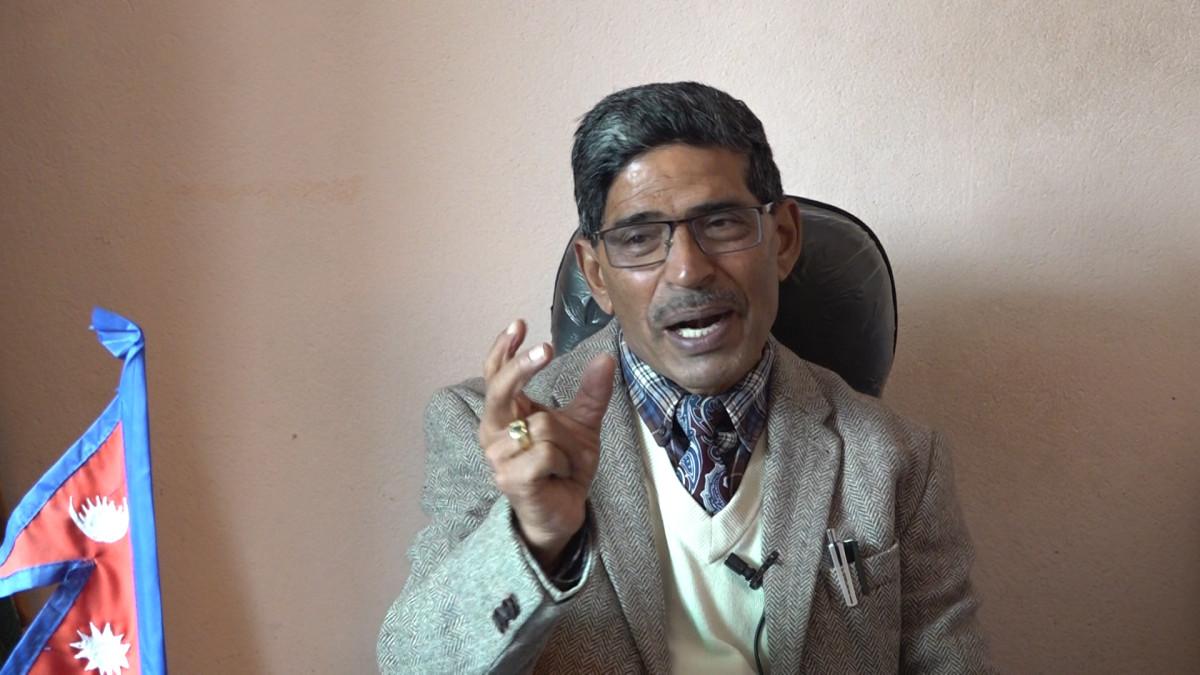
Economists say the House of Representatives election scheduled for Falgun 21 will have a short-term positive impact on Nepal’s economy. According to economist Dr. Chandramani Adhikari, the combined spending by the government and election candidates could reach around NPR 180 billion, injecting liquidity into the market and making the economy more dynamic. While the government is expected to spend around NPR 30 billion on election management, including security and materials this money will circulate in the market. Although candidates officially declare expenses of about NPR 10 billion, actual spending could reach as high as NPR 150 billion. This surge in spending is expected to increase consumption, transportation, and service activities.
However, election-related uncertainty has reduced capital expenditure, and investors have adopted a “wait and see” approach. Dr. Adhikari notes that the nature of the government formed after the election will determine long-term economic outcomes. A stable government could have positive effects, but instability in a coalition government could undermine fiscal discipline.
An election economy differs from a normal one and should be viewed in two phases, before and after elections. Prior to elections, the government spends a large budget on election management. While NPR 800 million was spent on elections in 2048 BS, the current election cost has reached NPR 30 billion—an almost 40-fold increase. This rise is considered natural due to overall economic growth. Government spending on procurement, security forces, and election logistics circulates money into the market, as security personnel and workers spend it on daily needs.
Officially, total candidate expenses declared to the Election Commission amount to around NPR 10 billion. With about 3,400 candidates, each is allowed to spend between NPR 2.5 million and NPR 3.5 million, averaging around NPR 3 million. However, past trends show that candidates often spend up to ten times more than what they declare. In previous federal elections, candidates reportedly spent between NPR 20 million and NPR 100 million each. On average, spending per candidate could reach NPR 60–70 million, pushing total spending to around NPR 150 billion. This money enters the economy through bank withdrawals, informal channels, and possibly remittances from abroad.
Election spending can have mixed effects. Domestically, it may slightly increase production and significantly boost consumption of meat, alcohol, transportation services, and logistics. Vehicle usage rises during elections, especially in the Tarai, where vehicles are often hired from India, increasing imports and informal capital outflows. While this can raise imports, it also increases government revenue through consumption-based taxes. From a social justice perspective, some hoarded money enters circulation, benefiting voters, service providers, and grassroots workers, making elections a short-term economic stimulant.
Election periods usually stall development spending. Last year, by the end of Poush, 17 percent of the development budget had been spent, whereas this year only 11–12 percent has been utilized. This indicates that elections directly affect capital expenditure. Credit flow from banks is also impacted, as investors remain cautious. With industries underperforming, business owners are reluctant to take loans, further slowing economic growth. Finance Minister Rameshwar Khanal initially halted projects worth over NPR 100 billion, though some were later resumed.
Public debt is also rising, reaching around 46 percent of GDP. The post-election government is likely to face an increased debt burden. While elections can sometimes provide political clarity, they do not always guarantee stability. The structure of the next government, whether a single-party majority or a coalition, will be crucial. If many parties are involved, there is a risk of excessive spending and weakened fiscal discipline.
No comments yet